
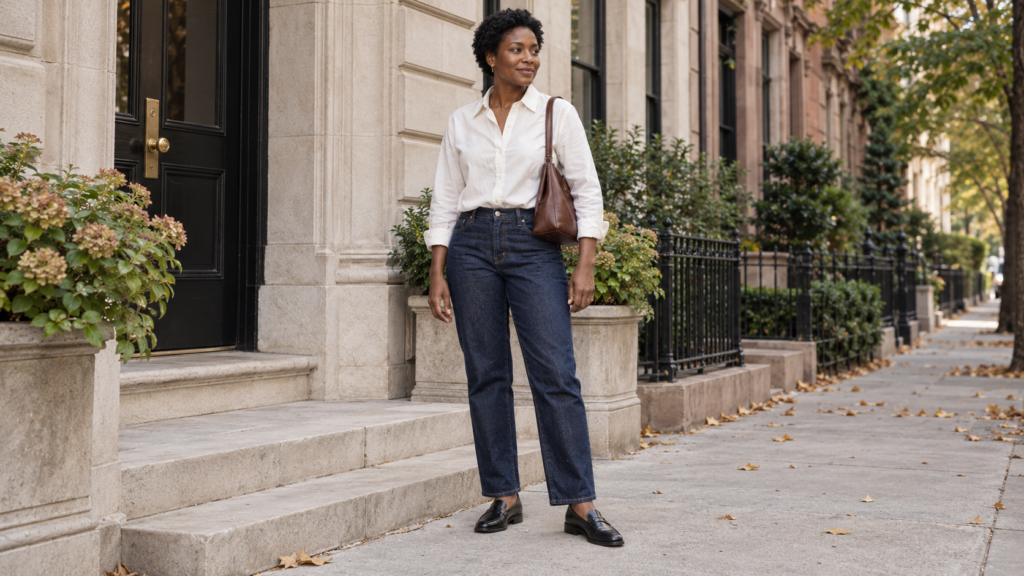
A handbag can look perfect on a shelf and feel awkward by lunchtime. The opening catches your sunglasses case, the strap slips off your coat, or your keys disappear beneath everything else. Choosing well starts with those ordinary moments.
To choose the right handbag for everyday use, match its capacity to your regular essentials, try it with a realistic load, and check the opening, straps, and pockets before deciding on color. The best option might be a compact crossbody, a roomy shoulder bag, or a tote that closes securely. What matters is how it works through your day. Here’s how to narrow the choice without buying more bag than you need.
Before you shop: know your usual contents, measure your largest rigid item, and decide how you prefer to carry a bag.
Start With Your Actual Day
Think about an ordinary weekday rather than the most demanding day you can imagine. Walking to work, driving between appointments, and spending the day with children create different carrying needs.
Lay out what you regularly take: phone, wallet, keys, glasses, personal-care items, and any medication or other essentials. Then add the things that belong to your routine, such as a water bottle, book, tablet, or laptop.
Separate occasional extras. If you carry a computer twice a month, a comfortable everyday handbag plus a separate work bag may serve you better than an oversized tote every day. If you carry it every morning, give device fit priority from the start.
Also consider where the bag will go. A bag that sits beside a desk needs different features from one you access while standing on a busy train. For frequent errands, easy access may matter more than a beautifully divided interior.

Choose Size by the Opening and Usable Space
“Medium” is a brand’s size label, not a reliable measurement. Compare actual dimensions, including depth, and check whether the listed width refers to the base or the widest part.
The opening deserves special attention. A tapered bag can be wide enough at the bottom yet awkward for a rigid glasses case or tablet. A central divider can also prevent a broad item from fitting into an otherwise roomy bag.
For online shopping, measure your largest rigid item in its usual case or sleeve. Compare those measurements with the usable compartment and opening; exterior dimensions alone cannot confirm fit. A laptop’s advertised screen size is a diagonal measurement, so it does not tell you the width of the device or its sleeve.
If measurements are incomplete, ask the retailer. Then check that your contents fit without forcing the zipper or stretching the sides. Leave enough room to find something without unpacking the bag.
A phone-and-cardholder routine may need very little space. A bottle, glasses case, and paperback create a much bulkier load, even before you add a wallet.

Pick a Carrying Style That Suits How You Move
The silhouette changes how you use a bag as much as how it looks. Start with your preferred carrying position, then compare individual designs.
| Bag style | Useful for | Check carefully |
|---|---|---|
| Crossbody | Keeping hands available while carrying everyday essentials | Strap range, access, and whether the bag bumps against you when walking |
| Shoulder bag | Moving between errands, work, and casual plans | Whether the strap stays in place and clears your usual outerwear |
| Tote | Carrying larger or irregular items | Closure, handle drop, organization, and weight when packed |
| Backpack | Carrying work or study supplies when you prefer two shoulder straps | Device protection, strap adjustment, and access when you need small items |
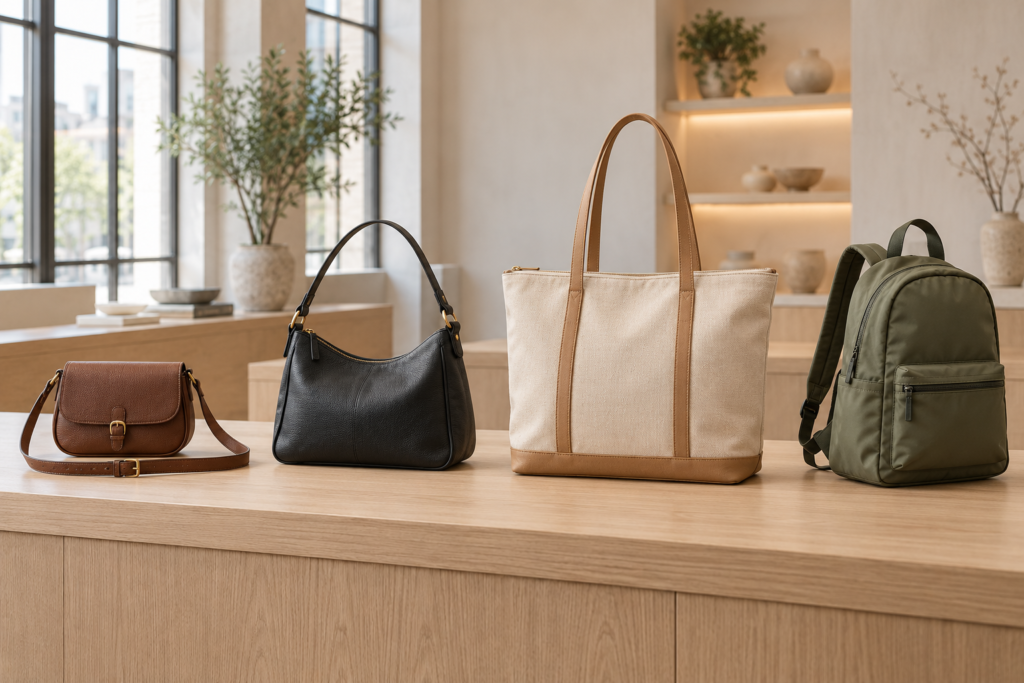
A convertible design can be useful, but try every mode you expect to use. A short handle does not automatically work over a winter coat, and a detachable strap does not guarantee a comfortable crossbody length.
Shop the Inspiration — Casual Crossbody
BAGGU’s Medium Nylon Crescent Bag in Black offers an adjustable strap and two interior pockets. Its soft, curved shape suits relaxed clothing; choose a more structured design if you prefer a sharper outline. Check the strap range against your preferred carrying position.
Test Comfort With the Bag Loaded
An empty bag tells you surprisingly little about how it will feel during a busy day. With the retailer’s permission, try it with representative contents. For an online purchase, check the return terms before carrying out an indoor trial.
Walk, sit, and reach for your phone. Notice whether you keep lifting one shoulder to hold the strap in place, whether hardware presses against you, or whether the bag swings into your arm. Adjust the strap and try again.
A wider strap may feel more comfortable with a given load, but its edges, flexibility, and placement matter too. Chain straps and rigid handles can feel very different once the bag contains a bottle or book. There is no single comfortable weight for everyone.
Check the empty weight if it is provided. Heavy hardware, thick leather, and substantial internal structure can make a bag feel weighty before you add anything.
Try it over the clothing you actually wear. Handle drop describes the clearance between the top of the bag and the handle’s highest point. It is different from the total length of a shoulder or crossbody strap. A handle that clears a cotton shirt may sit tightly over a wool coat.
Match the Material to Your Weather and Upkeep
Material affects the bag’s appearance, feel, and care requirements, but construction and finish matter as well. Avoid treating a material name as a promise of durability or weather protection.
| Material | Styling character | Practical question to ask |
|---|---|---|
| Leather | Can look smooth and structured or soft and relaxed | What care does this exact finish need, and how heavy is the finished bag? |
| Nylon | Often suits casual, practical dressing | Is this particular bag washable, spot-clean only, or otherwise restricted? |
| Canvas or coated canvas | Can range from relaxed woven texture to a more defined finish | How should the fabric, coating, and any leather trim be cleaned? |
| Suede | Adds a soft, textured finish to simple outfits | Will its care requirements work with your climate and routine? |
| Leather alternatives | Available in many textures and constructions | What is the actual composition, and what care and repair support is offered? |

For a rainy commute, look for product-specific water-resistance information. Ordinary zippers and exposed openings do not establish that a bag is waterproof. Keep electronics protected separately unless the bag’s specifications support the protection you need.
Care instructions can differ even within one brand. Coach’s material-specific guidance, for example, advises keeping its suede away from water. Follow the instructions for your own bag rather than applying a general leather-cleaning method to every finish.
Shop the Inspiration — Zip-Top Tote
Longchamp’s Le Pliage Original M Tote in Mocha combines a fabric body, leather trim, and a zip-and-snap closure. It is an option to compare if you prefer a tote; confirm device fit rather than assuming any tote will accommodate your laptop.
Examine the Closure, Pockets, and Construction
A closure should suit the situations in which you use the bag. A zip top helps contain loose items when you set it down or move through a crowded space. A magnetic fastening offers quick access, but check how much of the opening remains exposed. Neither makes a bag theft-proof.
Try the closure with the hand you normally use. Can you open it while holding your phone, or do you need to put the bag down? Small clasps and stiff zippers may be frustrating if grip or dexterity is a concern.
Look for places for the things you reach for repeatedly. A phone pocket, an enclosed pocket for small valuables, and a removable pouch may be enough. More compartments are useful only if your belongings fit them.
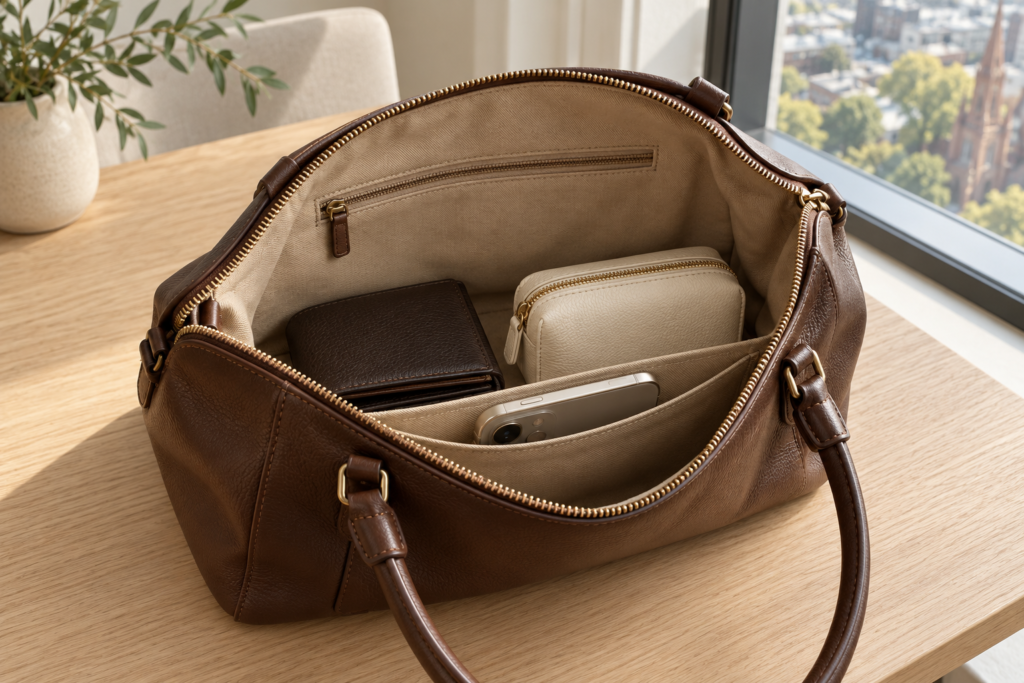
Inspect strap attachments, handle bases, zipper ends, lining seams, and bottom corners. Check for loose stitching, rough edges, or a zipper that catches. Ask about repairs and replacement straps, especially before an expensive purchase.
Shop the Inspiration — Organized Leather Crossbody
Lo & Sons’ Pearl Convertible Crossbody Bag in Saffiano Leather, Black/Gold/Grey is another option to compare. Check the divided interior against your own contents, especially if you carry a bulky glasses case or bottle.
These product examples are based on official specifications, not hands-on testing. Prices, options, and availability can change.
Choose a Color and Shape That Work With Your Outfits
Start with three outfits you wear often. Put the same bag beside a work outfit, an errands outfit, and a casual weekend look. A color that works across those combinations is more useful than one chosen because it supposedly goes with everything.
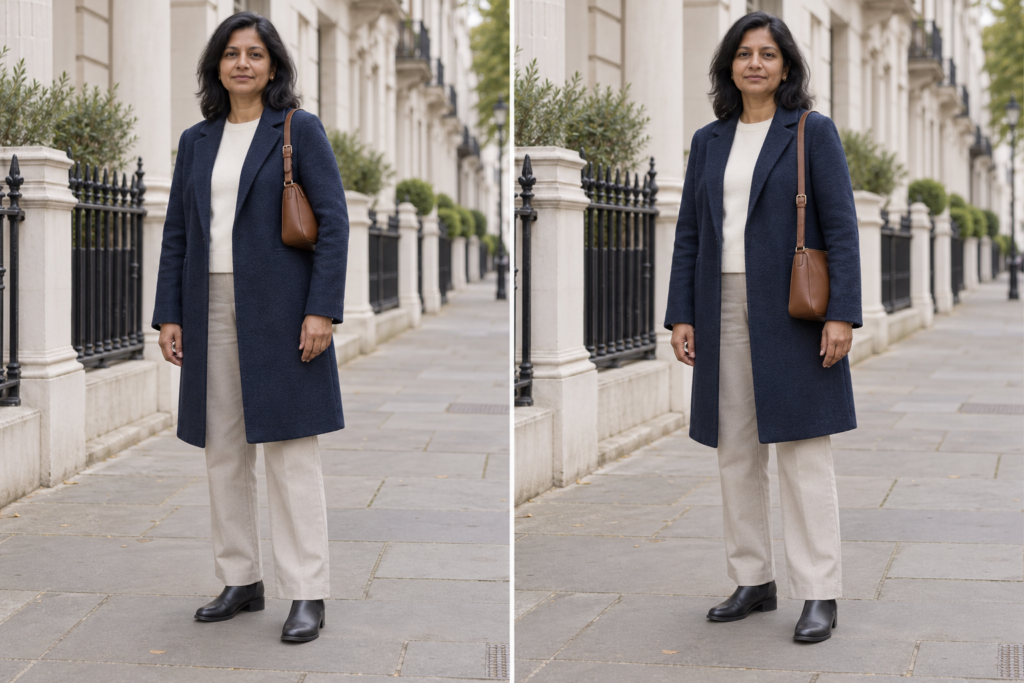
Black creates clear definition against gray, white, and denim. Chocolate brown sits comfortably with cream, navy, olive, and warmer neutrals. Taupe can provide a softer contrast, while burgundy or deep green can become a recurring accent in an otherwise restrained wardrobe. Our guide to matching clothing colors offers more ways to build those combinations.
Consider texture and structure alongside color:
- For casual tailoring: try a defined leather shoulder bag with a navy blazer, white T-shirt, straight-leg jeans, and loafers. The bag’s outline echoes the tailoring without requiring a formal outfit.
- For relaxed weekends: a soft nylon crossbody works with a cotton shirt, easy trousers, and sneakers. Its less rigid shape suits the clothing’s casual fabric and movement.
- For warm-weather dressing: an olive or tan bag adds definition to an ivory linen outfit. Choose the material for your activities as well as the palette.

If you often wear jackets with denim, these ideas for wearing a blazer casually can help you compare the overall effect.
Shoes and bags do not need to match exactly. Repeating a color elsewhere, or keeping the textures and level of formality compatible, can make the outfit feel considered.
Set a Budget Around the Features You Will Use
Decide your spending limit before comparing brands. Then identify the features you would pay more for: a secure opening, a comfortable strap, a useful interior, a particular finish, or accessible repairs.
An expensive bag can still have the wrong opening or an awkward handle. A simpler design may meet your needs beautifully. Include maintenance and any necessary extras in the decision: a separate organizer, replacement strap, or protective device sleeve changes the total cost.
For a secondhand bag, request clear photographs of the corners, lining, handle attachments, and closure. Check the seller’s return and authentication arrangements, and distinguish visible wear from damage that affects use.

If a purchase only works with an imagined wardrobe, pause. Revisiting your personal style and everyday needs may make the choice clearer.
Use This Final Check Before Buying
Give your preferred bag a short, practical trial:
- Pack your regular essentials without forcing the closure.
- Retrieve your phone and keys without emptying the main compartment.
- Adjust the strap over your usual outerwear, then walk and sit.
- Check care instructions, repair options, and return terms.
- Compare it with three outfits you already own.

If something repeatedly catches, slips, or feels awkward, keep looking. Those small irritations are likely to matter more in daily use than an attractive photograph.
Frequently Asked Questions
What size handbag is best for everyday use?
Choose the smallest size that holds your regular essentials comfortably and leaves them accessible. Size labels vary, so compare measurements, opening width, and interior layout. A roomy-looking bag may still be unsuitable for a rigid tablet or glasses case.
Is a crossbody or shoulder bag better for everyday use?
A crossbody keeps your hands available, while a shoulder bag may suit your preferred access and silhouette. Try both with your usual load and outerwear. Strap fit and individual construction matter more than the category name.
Should a handbag match your shoes?
It can, but it does not have to. A brown bag can work with black shoes when the outfit’s palette and textures feel connected. Exact matching is one styling option, rather than a requirement.
Are leather handbags always better than nylon?
No. Compare the finished bags, including weight, construction, care, and how they fit your routine. Leather can suit a more structured look, while nylon can work well with casual clothing. Neither material guarantees quality by itself.
Should you choose a handbag according to your body shape?
Use proportion as a preference, not a restriction. Try different sizes and strap lengths to see which outline you enjoy. More useful checks are whether the bag allows you to sit comfortably, reach your belongings, and move as you wish.
Choose the Bag That Makes Your Day Easier
Before your next purchase, spend a normal day with the handbag you already own. Notice what you use, what stays untouched, and what annoys you. Turn those observations into a short shopping list. A comfortable strap, an opening that clears your glasses case, and a place for your keys give you concrete reasons to choose a bag you will want to carry.



2 thoughts on “How to Choose the Right Handbag for Everyday Use”